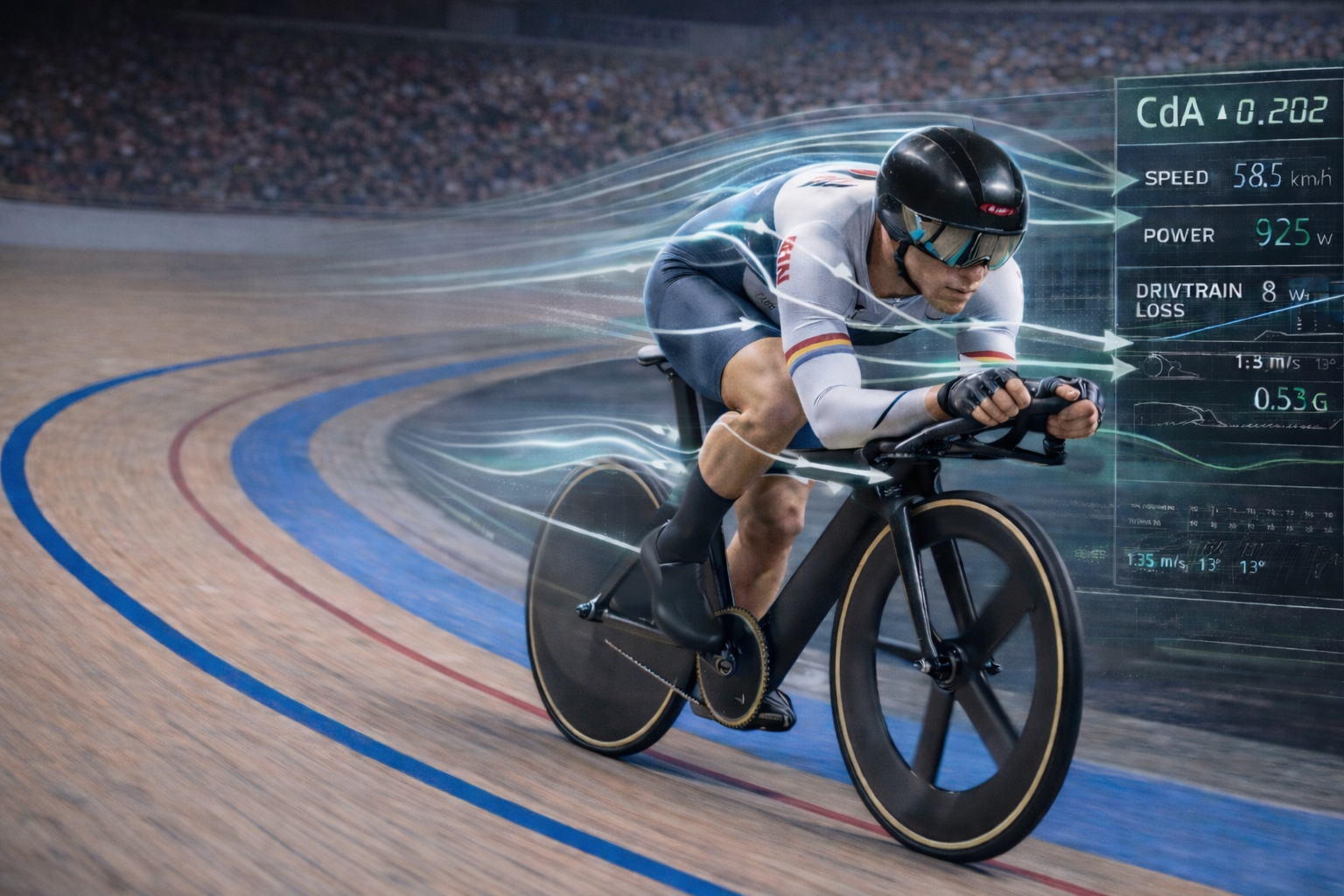
A track stem is not usually the part that gets much attention.
It sits low on the bike, half-hidden between the bars and the head tube, doing a job most riders only notice when it is wrong. Too short. Too tall. Too flexible. Too ordinary for the position being asked of it.
For a long time, that was fine. Track positions had their own demands, but the stem was still treated as a fairly simple fit item. Pick the reach, clamp the bars, tighten the bolts, move on.
View the stem here - Velodrome.Shop Elite Track Stem
Modern track cycling has made that harder.
The front of the bike is being asked to carry more than it used to. Riders are longer, lower and further forward. Bars have changed shape. Frames have become more specific. The space between the rider, the front wheel and the UCI rulebook has become tighter. What once looked like an extreme cockpit can now be a normal attempt to make the bike fit the work.
That shift leaves a very ordinary problem.
A rider gets the frame right, chooses the bars, works through the position, and then reaches the point where the stem has to make the whole thing possible. Not as an afterthought. Not as a borrowed road component doing a track job. As the piece that turns the numbers on paper into something the rider can actually hold at speed.

Length is not enough
Long stems make people suspicious.
They look dramatic. They can make a bike appear stretched or awkward. In a road context, they often suggest that something else in the fit might be wrong.
Track cycling is not always so simple.
A longer stem can be exactly what the position needs. It might be the result of a deliberate frame choice, a specific handlebar shape, a rider trying to stay within regulation, or a front-end position built from the bottom bracket forwards rather than guessed from the top tube. The visual instinct can mislead.
The real question is not whether the stem looks long.
The question is whether the position is correct, and whether the stem is strong enough to support it.
A stem that is unusually long by road standards cannot simply be made longer and then asked to survive track use. That is the mistake. Track cycling does not just ask for reach. It asks for reach under load.
A sprinter does not ease politely into the bars. They load them hard, often when the bike is still slow and the torque is ugly. The rider is pulling, twisting, bracing and accelerating before the bike has settled into speed. Bunch riders may not produce the same standing-start violence, but they still need a front end that feels precise when the race gets narrow and fast. Even endurance positions ask the cockpit to support commitment, not uncertainty.
Length exposes design. It puts more demand into the clamp. It makes the body of the stem matter more. It turns any small uncertainty in the front end into something the rider can feel. A short stem can hide mediocrity. A long stem rarely does.
A long track stem cannot just be long.
It has to be long and strong.
Why we stopped treating it like a road part
Most long stems available to riders were never really designed around track cycling.
That does not make them bad parts. It means they come from another set of assumptions. Road stems have to serve a broad market: different bikes, different handling habits, different priorities, different lengths, different ideas about weight and comfort.
Track is more particular.
There is less room for compromise because the use case is narrower. The bike is handled hard. The rider is often more fixed in position. The loads are direct. The front end has to feel calm even when the effort is not.
We kept seeing the same gap. Riders could find length, but not always track-specific confidence. The fit made sense, but the component did not quite feel native to the job. The whole front of the bike could look carefully chosen until the stem made it feel unfinished.
That is a small problem, but track cycling is full of small problems that become larger once a rider is committed to a position.
A cockpit does not fail only when something breaks. It can fail by making the rider hesitate. It can fail by making a good position feel uncertain. It can fail by making a clean front end look and feel like a compromise.
Strength before theatre
The strength target had to be more serious than the usual language around long stems.
The Elite Track Stem was tested to twice the ISO requirement, because a generic pass did not feel like the right target for a part being used this way. It was a response to the way track riders actually use the front of the bike.
A road component may never be asked to deal with the same combination of long reach, fixed-gear acceleration, high bar load and aggressive cockpit position. Track cycling compresses those demands into harsher moments. The rider does not want to feel the stem thinking about it.
That is where the part has to be boring in the best possible way.
No nervousness under a hard pull. No vague front-end feel. No sense that the position is asking more than the component wants to give. Once the rider commits to the cockpit, the stem should disappear from their mind.
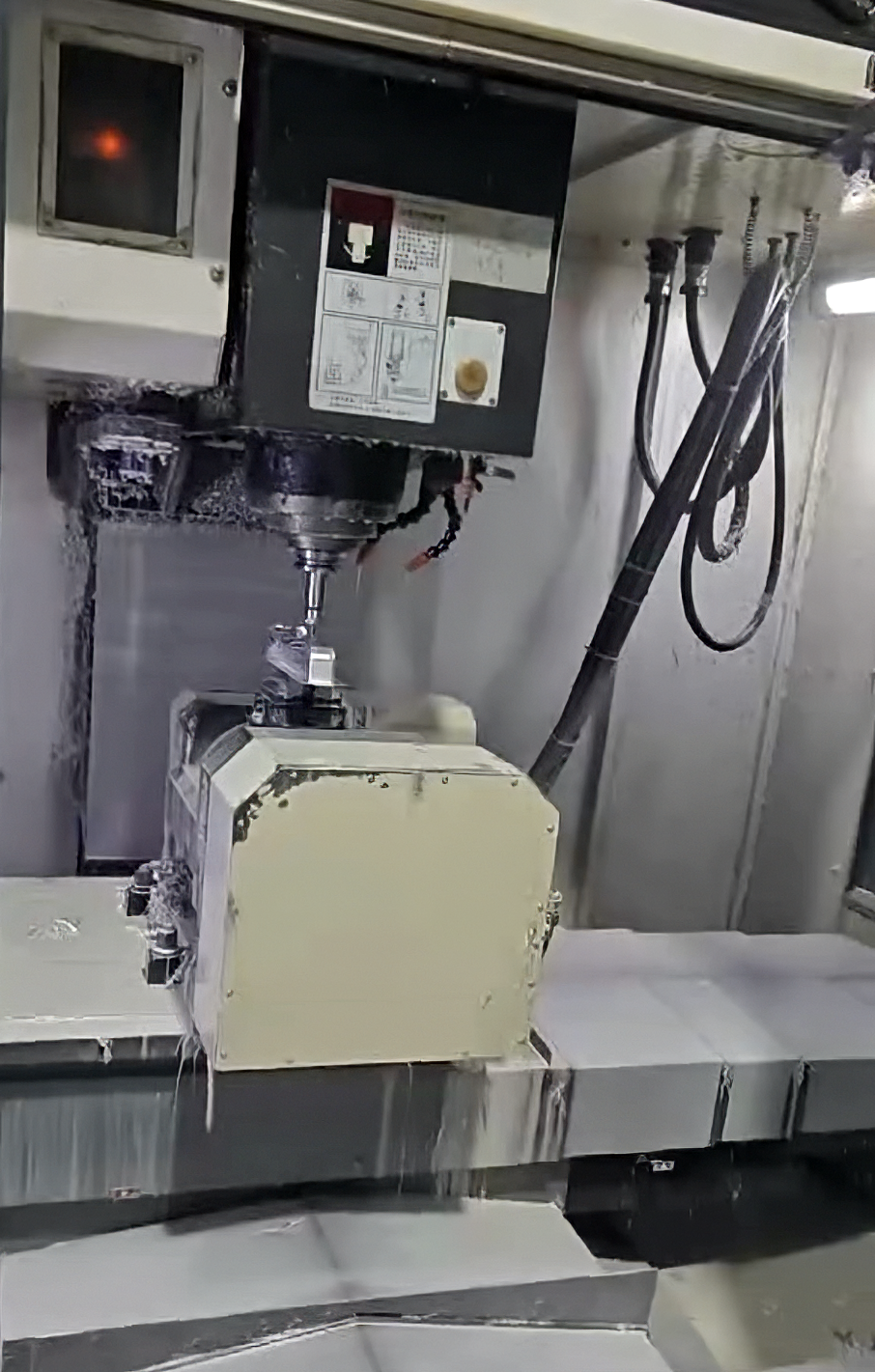
The material choice and machining reflect that. The stem is CNC-machined from hard-anodised 7075-T651 aluminium with titanium hardware. Those details matter because the part is not being asked simply to fill space between frame and bars. It is being asked to hold a demanding position with repeatable confidence.
Long is only useful if the rider trusts it.
The shape came from the job
The aim was not to make the loudest-looking component on the bike
It was simpler than that: make a long-reach track stem that felt like it belonged on a modern track bike.
That meant giving priority to stiffness, clamp security and a clean front-end shape. The rear of the stem uses a low-profile steerer clamp because modern track frames do not need unnecessary bulk in that area. The body is long and direct because the point is to carry reach without making the front of the bike feel visually or mechanically untidy.
There is no magic in that.
Useful equipment is often quite plain when you strip it back. The hard part is deciding what not to chase.
Not the lightest stem for a scale photograph. Not an over-shaped object pretending to be a wind-tunnel breakthrough. Not a road stem stretched into a track length.
Just a part that makes a modern position feel less like a compromise.
Clean, not theatrical
The front of a track bike is a visually sensitive place.
Bars, grips, forks, head tube and rider position already create enough complexity. The stem should not add noise for the sake of looking busy. It should not dominate the bike. It should not carry a gimmicky logo that pulls the eye away from an otherwise clean setup.
That was deliberate.
The Elite Track Stem uses a minimal visual identity because the bike should look composed once it is built. Serious track equipment does not need to shout from every surface. A loud logo can make a good cockpit look cheaper, busier and less intentional. The better answer is usually restraint: clean machining, good proportions, a purposeful shape and branding that does not fight the rest of the bike.
The same restraint applies to the aerodynamic language.
The front of a track bike is aerodynamically messy. Hands, bars, forks, head tube and rider movement all sit in the same small area. A stem is part of that environment, but it is not the whole story. Any claim that a stem alone transforms the bike should be treated carefully.
The design is better understood as clean rather than theatrical.
Keep the shape low. Keep the body direct. Avoid unnecessary material where it adds nothing useful. Let the stem look like it belongs inside a modern track cockpit rather than bolted on afterwards.
Not every equipment decision needs to arrive with a wattage claim. In track cycling, performance is often built by reducing the number of things that are slightly wrong: the wrong stem length, the wrong clamp height, the wrong bar relationship, the wrong amount of doubt in the rider's hands, the wrong visual interruption on an otherwise careful bike.
A cleaner stem does not win the race.
It helps remove one more excuse from the bike.
Track Cycling Stem Size Calculator
The stem should not be chosen because it looks professional.
That is the trap with modern track positions. Riders see long, low cockpits and try to copy the appearance before understanding the numbers. The result can be an expensive loop of frames, bars, spacers and stems that never quite explains what the rider is trying to achieve.
The Track Cycling Cockpit Calculator was built to make that first step more disciplined.
It does not replace a good fitter, coach or mechanic. It does something more basic: it helps riders understand the relationship between their frame, bars and position before they start buying parts. It makes the stem a consequence of the setup rather than a guess.
That is the right order.
Fit first. Component second.
A 150 mm stem can be sensible on one bike and absurd on another. A shorter stem can be right if the frame and bars already place the rider where they need to be. The number on the stem means very little until the rest of the cockpit is understood.
For a small part, that is a large responsibility.
A small part with a bigger job
The Elite Track Stem came from a practical frustration.
Modern track positions had moved on, but the available choices did not always feel as though they had moved with them. Riders needed length, but length on its own was not enough. They needed strength, stiffness and confidence as part of the same answer.
A track stem cannot be treated as a road component made unusually long. The demands are different. The loads are different. The consequences of doubt are different. If the position calls for reach, the stem has to be strong enough to make that reach feel normal.
Not every rider needs a long stem. Not every bike should be pushed into a more extreme position. But when the fit calls for length, the component has to justify that choice.
A good stem disappears once the rider trusts it.
That was the point.
Find out more here - Velodrome.Shop Elite Track Stem