Inside Track Cycling

Inside High Performance

Reporting and analysis from inside elite track cycling programmes: preparation, coaching, athlete development and the systems behind Olympic performance.

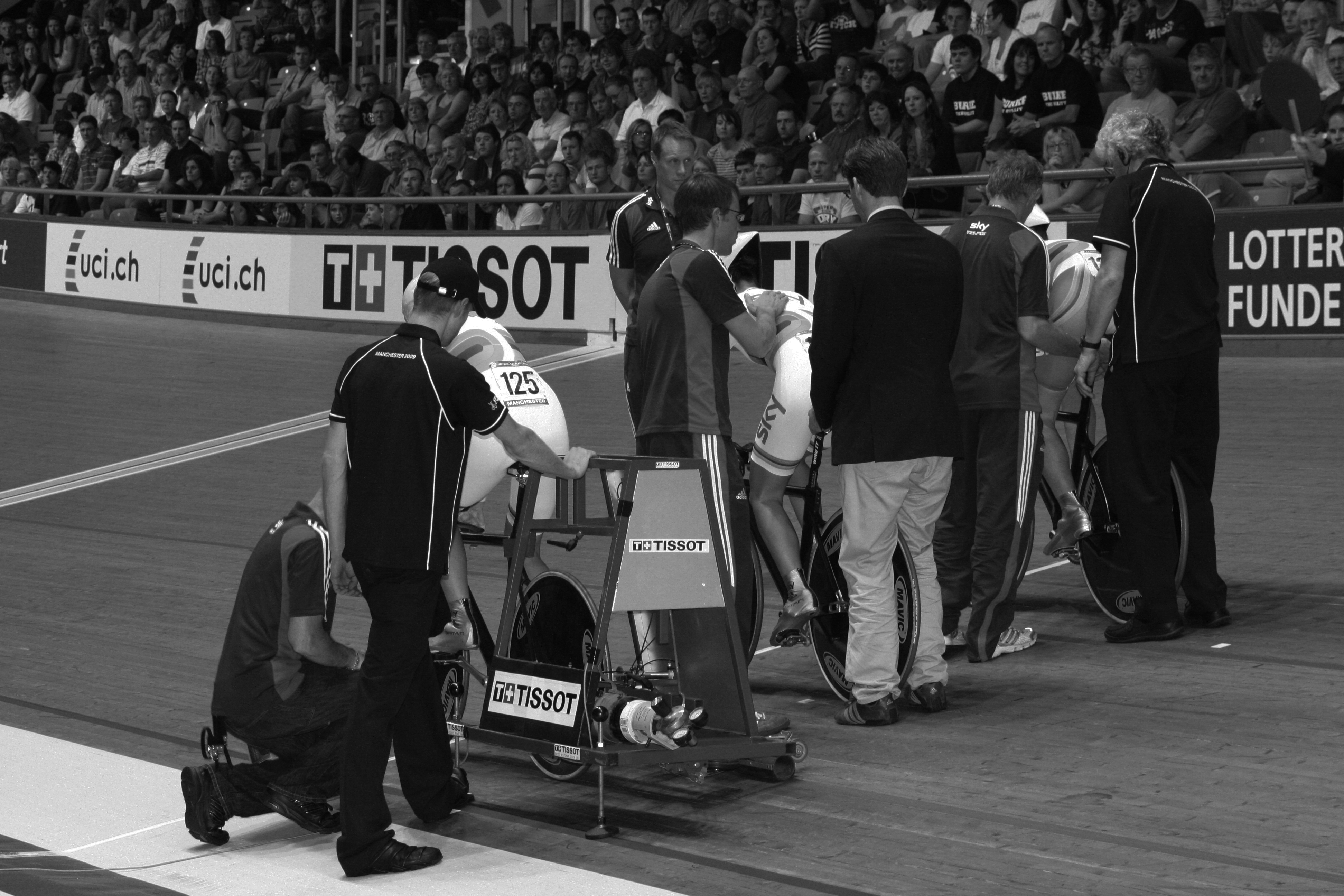
Velodrome interior, observed from the stands
Inside Programme

What Track Cycling Can Learn from Project 4:05

Not every nation can afford wind-tunnel time, custom skinsuit development and a full optimisation team. That does not mean the logic behind Project 4:05 is out of reach. The deeper lesson of USA Cycling's Olympic gold is not simply that money matters. It is that clarity, structure and decision quality matter too.

USA Cycling's Project 4:05 was a data-driven initiative built around rider power, aerodynamics and team coordination. It used operations research, mixed-integer programming, real-time analytics and aerodynamic innovation to optimise preparation, team selection and race-day planning.

Talent Pathway

Track Cycling Keeps Undercoaching the Age Where Champions Are Made

Track cycling keeps looking for medals at the top of the system, but many champions are shaped long before they reach it. The sport still invests too much prestige in finished athletes and too little coaching quality in the years where ceilings are really set.

Track cycling often behaves as though performance is built at the top. Money flows upwards. Prestige flows upwards. Attention does too. The sport saves its best language for the final layer: podium programmes, medal conversion, marginal gains, world-class support. It creates a flattering illusion that excellence is mostly finished there, by the most decorated coaches and the riders already nearest the podium.

But that is not where most champions are actually made.

Talent Pathway

Twelve Medals, No Pathway: Could College Sport Be Part of the Answer for American Track Cycling?

USA Cycling already has collegiate racing. It already stages Collegiate Track Nationals. From 2026, it will add high-school racing to collegiate championship weekends in an effort to connect younger riders to college programmes earlier. So if the United States still struggles to recruit young riders into track cycling, is it time to ask whether college sport - and perhaps one day even the NCAA - could be part of the answer?

In the United States, sport becomes powerful when it becomes visible. It has a campus. A coach. A badge. A fixture list. A championship to aim at. It exists not just as an activity, but as a recognised part of life. Parents understand it. Young athletes understand it. Institutions understand it. The pathway may still be difficult, but at least it looks real.

That is what makes the question around American track cycling so interesting.

Coaching Insight

If I Were Building a Track Medal Programme for LA 2028

Two and a half years out from Los Angeles, Former British Cycling Head Coach and Cycling Australia Performance Director Simon Jones sets out the structural decisions that separate medal programmes from good intentions.

We are roughly two and a half years from the LA 2028 Olympic Games. For any national track cycling programme with medal ambitions, this is the point in the cycle where the most important question shifts. It is no longer "what should we build?" It is "are we on track, or do we need to change course -- and how much room do we have left to do so?"

This is a mid-cycle assessment framed as a strategic opinion -- my honest view of what separates programmes that will be competitive in LA from those that will arrive with effort and good intentions but no realistic medal prospect. The arguments are structural rather than technical, because at this level the technical knowledge is widely shared. What distinguishes outcomes is strategic clarity, political mandate, and the discipline to execute without deviation over the full period between Games.