Inside Track Cycling

Performance Analysis

Detailed breakdowns of track cycling performance, from race tactics and event demands to pacing trends, benchmark shifts and the data behind winning rides.
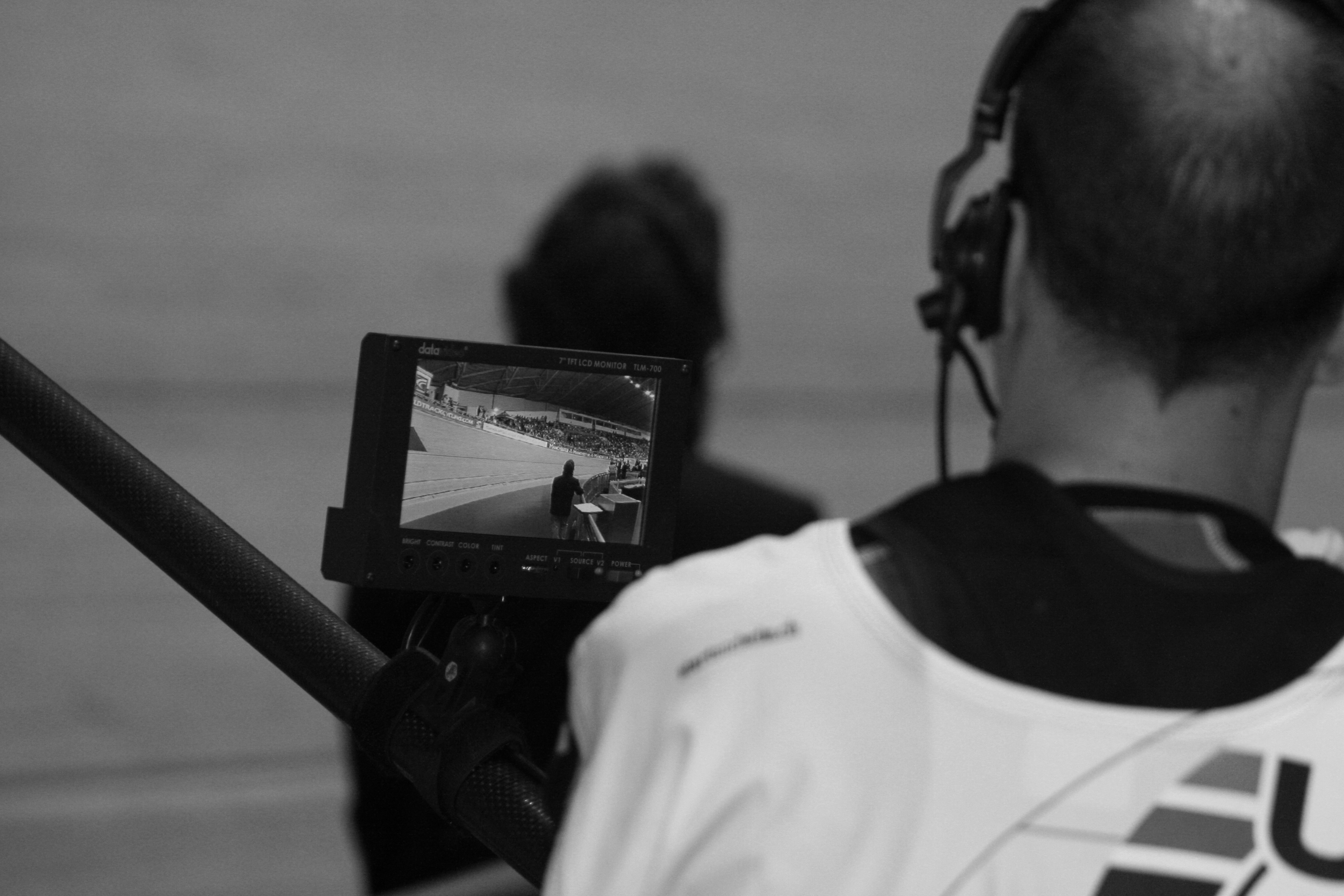
Velodrome interior, observed from the stands
Performance Systems: Female Physiology

The Menstrual Cycle Is Not A Calendar: Why Track Cycling Needs Better Female Performance Guidance

Track cycling has always understood precision. It measures starts in hundredths, pacing errors in metres, tactical hesitation in half-laps and technical mistakes in medals lost. The sport is comfortable with marginal gains when they involve carbon, tyres, chain efficiency, aerodynamics, gym numbers or lap schedules.

It has been far less comfortable applying the same precision to female physiology.

Performance Outlook: Australian Nationals

Australia's Rebuild Has Started - But Not Every Event Is Ready for LA

Australia's Track Nationals were the sort of meeting that could be read badly from a distance. Records fell, strong domestic performances stacked up, and the headline version wrote itself. But Brisbane did not show one Australian programme moving forward in unison. It showed something more uneven than that: a few events with real LA relevance already, others still well short of international medal level, and a rebuild whose shape is clearer than its eventual ceiling.

Performance Outlook: Asian Championships

What Tagaytay Really Revealed About Asian Track Cycling

For a few days, the 2026 Asian Track Championships looked easy to explain. China was winning heavily, Japan seemed quieter than usual, and the Philippines had a new velodrome to present to the region. By the end, the picture was richer than that. China had not simply won; it had shown a broader squad, a more rounded one, the sort that can shape an entire meeting rather than collect a few obvious medals. Japan had not faded; it had used the week with calculation, placing senior authority where it wanted certainty and letting younger riders absorb the rest. And beneath both sat the larger fact of Tagaytay itself: a new Category A velodrome in a developing part of the track world, which may matter long after the podium photographs are forgotten.

Data Breakdown: Sprinting

Track Sprinting Is Not Just About Peak Watts

Every sprinter knows the feeling of a ride that starts beautifully and ends in survival. The jump is sharp, the gear comes through, the bike moves exactly as it should - and then the effort changes. That change is where races are often decided. Not by who can look best in the first seconds, but by who can keep turning force into speed once the ride starts asking harder questions. There is a point in a hard sprint where the romance drops away.

Race Tactics: European Championships

Richardson Beats Lavreysen to Win Euros Sprint Gold

For years, Harrie Lavreysen has been the immovable object of elite sprinting. Not just the fastest rider on the track, but the most tactically complete: unshakeable under pressure, ruthless in positioning, and almost impossible to out-think across a best-of-three sprint final. That is exactly why the 2026 UEC European Sprint title won by Matthew Richardson in Konya matters so much. This was not an opportunistic win. This was not luck. This was a rider executing a clear tactical plan, heat after heat, against the most dominant sprinter of his generation, and finally making Harrie Lavreysen look human.

Data Breakdown: Women's Sprinting

Why Women's Sprinting is Progressing Faster than Men's

Women’s track sprinting has quietly become the most competitive, technically advanced and unpredictable area of elite track cycling. The 2026 UEC European Track Cycling Championships merely confirmed what has been building for several seasons: the depth of the women’s sprint field now exceeds the men’s in almost every meaningful way. This is not about one exceptional rider. It is about a system, a talent pool, and a competitive landscape that now produces genuine uncertainty in sprint, keirin and kilo racing.